
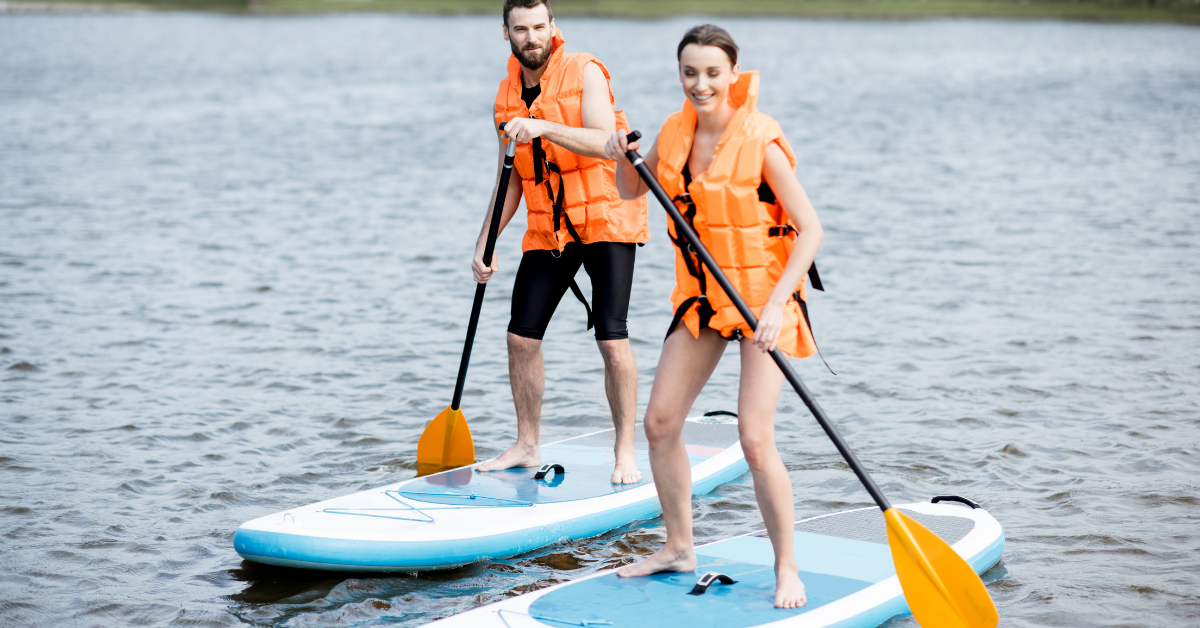

Finding Your Stability on Water
Imagine gliding across a serene lake, surrounded by natural beauty, the sun shining on your face, and a gentle breeze in your hair. Now imagine effortlessly maintaining that moment, standing tall on your paddle board. For many, the challenge of staying upright can feel daunting, especially for those new to this thrilling activity. If you’re starting your paddle boarding journey, don’t worry—like any skill, balance comes with practice!
First-time paddlers often feel uneasy on the board, leading to a less enjoyable experience. This guide will equip you with essential paddle-boarding balance tips to help build your confidence and stability. By focusing on balance and technique, you can transform your paddle-boarding outings into moments of pure joy and adventure.
The Significance of Paddle Board Balance
Understanding Your Center of Gravity
To master the art of staying balanced on a paddle board, it’s essential to understand the concept of your centre of gravity. This crucial element determines how your weight is distributed across the board, influencing your overall stability. Keeping your centre of gravity low will make it much easier to maintain your balance, reducing the risk of falling into the water.
For beginners, this understanding is the foundation for developing your paddle boarding skills. By being aware of your body position and balancing techniques, you will enhance your paddle board stability and feel more comfortable navigating different water conditions. It’s all about finding that perfect stance to help you ride the waves with ease!
Mastering the Art of Balance on Your Paddle Board
Optimize Your Body Positioning
Your stance can significantly impact your paddle boarding stability. Begin by standing with your feet shoulder-width apart, ensuring your knees are slightly bent and your hips are aligned with the centre of the board. This optimal positioning creates a strong foundation, boosting your stability on the water.
Additionally, maintaining a relaxed stance will serve you well during your paddle board experiences. Being aware of your alignment and posture minimises the chances of toppling over and enhancing your confidence on the water. Remember, the best position is one that feels comfortable and allows you to adjust easily as needed.
Engage Your Core Muscles for Better Stability
Your core muscles are pivotal in maintaining balance on your paddle board. Engaging your abdominal muscles while paddling lets you absorb any irregularities on the water’s surface, keeping you upright and secure. Practicing core engagement can make a noticeable difference in how you handle your board.
As you practice these balance techniques, paying attention to your core engagement will elevate your overall paddle boarding experience. Strong core muscles will help you make quick adjustments when necessary, transforming stability into second nature as you navigate across serene lakes or challenging waves.
Practical Tips to Enhance Your Paddle Boarding Experience
Choose the Right Environment
When you’re starting, choosing calm, flat water conditions for your paddle boarding practice is the best idea. For a safer experience, it’s also worth reviewing the RNLI’s guidance on paddle boarding safety, which offers excellent advice for new paddlers. This serene environment helps you focus specifically on improving your balance without the added distractions from waves or strong currents. Learn to stand and paddle confidently before venturing into areas with more movement and challenges.
As your confidence and skill increase, you can gradually explore different water conditions. Building a solid foundation of balance and technique will allow you to easily navigate any water conditions, making your paddle-boarding outings much more enjoyable.
Make Use of Your Arms for Balance Assistance
Your arms can also play a significant role in maintaining stability. Extending your arms out to your sides can help shift your centre of gravity and improve balance when you begin to feel wobbly. This simple change stabilises your body while also helping you feel more secure on your paddle board.
Incorporating this technique into your practice sessions will enhance your paddle boarding balance tips and promote a better understanding of how your body interacts with the board. With consistent practice, maintaining your balance will become increasingly intuitive.
Avoiding Common Mistakes for Better Balance
Even as you work to improve your balance, you must recognise the common mistakes that can easily be avoided. By learning what not to do, you can save yourself from the frustration of falling in unexpectedly. Here are a few common challenges to keep in mind:
- Standing too far back or too far forward on the board: Finding the centre of your board is crucial for optimal balance.
- Overextending your legs while paddling: A relaxed, comfortable stance keeps you more stable.
- Neglecting to bend your knees: Keeping your knees slightly bent can create a more stable position for paddling.
By avoiding these pitfalls, you’ll find that improving paddle board stability becomes a natural part of your practice routine. Embrace the learning journey, and soon enough, you’ll feel at home on your paddle board!
For a more in-depth look at how to prepare, don’t miss our article on essential safety tips for paddle boarding, which covers gear, weather checks, and self-rescue techniques.
Enhancing Your Balance Skills
In summary, mastering how to stay balanced on a paddle board encompasses understanding your body’s positioning, engaging your core, and effectively using your environment. By integrating these paddle-boarding balance tips into your training, you’ll set yourself up for a fantastic experience on the water.
As you continue your journey on the paddle board, remember that balance is not merely a skill but an art you can refine with time and commitment. Consider connecting with local paddle-boarding communities or resources for additional support as you delve further into your paddle-boarding adventures. A great place to start is Go Paddling’s beginner tips from British Canoeing, which offer expert insights tailored to UK waters. Happy paddling!